
Hydra vs Standard Microdermabrasion: Which Suits You?
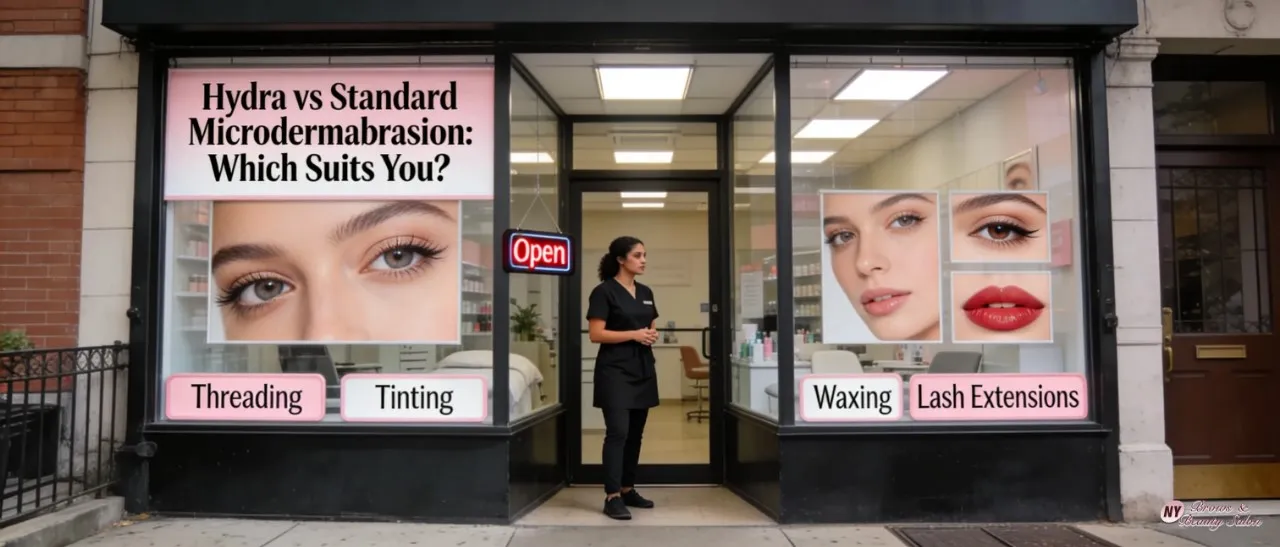
Hydra microdermabrasion suits all skin types, including dry or dehydrated skin. Standard microdermabrasion works best for oily, acne-prone, or scarred skin. The hydra method is generally gentler and more customizable, which often makes it the better choice for sensitive skin needing both exfoliation and replenished hydration.
Clients choosing between hydra microdermabrasion and standard microdermabrasion face a key distinction: hydradermabrasion replenishes hydration during exfoliation, making it safe for all skin types, including dry or dehydrated skin. Standard microdermabrasion targets scarring and acne-prone concerns. Dry skin clients benefit more from the hydrating approach, while oilier, congested skin responds well to traditional resurfacing.
Key Takeaways
- Hydra microdermabrasion combines exfoliation with simultaneous hydration, making it ideal for dry or sensitive skin.
- Standard microdermabrasion uses crystals or diamond tips to remove dead skin cells across 6–8 passes.
- Hydra microdermabrasion delivers serums directly into freshly exfoliated skin, boosting absorption by up to a notable share.
- Oily, acne-prone skin benefits most from standard microdermabrasion due to its deeper pore-clearing action.
What Makes These Two Treatments Fundamentally Different?
Hydra microdermabrasion vs microdermabrasion separates into two distinct categories: one is a dry mechanical process, and the other combines exfoliation with active serum delivery. Choosing the wrong facial treatments for a client's skin type means missing the hydration or resurfacing results that motivated the visit in the first place.
Microdermabrasion — sometimes misspelled as microdermabrashion — is a dry exfoliation technique. A diamond-tipped wand or fine crystals sand away the outer layer of dead skin cells, relying entirely on mechanical abrasion to resurface the complexion. Hydradermabrasion, by contrast, pairs that same mechanical exfoliation with the simultaneous infusion of hydrating serums, making the treatment fundamentally wet rather than dry.
| Feature | Microdermabrasion | Hydradermabrasion |
|---|---|---|
| Exfoliation method | Mechanical (dry) | Mechanical + serum infusion (wet) |
| Hydration delivery | None during treatment | Active serum infused simultaneously |
| Primary focus | Resurfacing dead skin | Resurfacing + replenishing moisture |
Both treatments support skin rejuvenation, but the mechanism that drives results differs at a foundational level. One centers on mechanical exfoliation alone; the other relies on serum infusion and hydration working alongside the exfoliation step.
Which treatment is better for dry or dehydrated skin?
Hydradermabrasion replenishes hydration during the procedure itself, making the treatment better suited for clients whose skin is dry or dehydrated. Microdermabrasion's dry approach delivers strong resurfacing results but does not restore moisture in the same session.
Do both treatments exfoliate the skin?
Both treatments remove dead surface skin cells through mechanical exfoliation. The distinction is that hydradermabrasion simultaneously delivers hydrating serums, while microdermabrasion focuses exclusively on the exfoliation step.

Which Skin Concerns Does Each Treatment Address Best?
Matching the right treatment to a specific skin concern is the single most important decision clients make when exploring facial treatments. Choosing the wrong approach leaves underlying issues unresolved — and in some cases, aggravates sensitive or dehydrated skin further.
| Treatment | Best-Suited Skin Concerns | Skin Types |
|---|---|---|
| Standard microdermabrashion | Deep scarring, stubborn sun damage, fine lines, thickened or oily skin | Resilient, oily, thicker skin |
| Hydradermabrasion | Dryness, dehydration, general dullness | All skin types |
| HydraFacial | Hyperpigmentation, sensitivity, uneven tone | All types, including sensitive |
Is standard microdermabrasion right for oily or scarred skin?
Standard microdermabrasion addresses deep scarring, stubborn sun damage, fine lines, and thickened or oily skin most effectively. The dry exfoliation technique delivers the mechanical intensity that resilient skin requires to see meaningful improvement. Clients with delicate or dehydrated skin, however, risk irritation from this level of abrasion.
When should clients choose hydradermabrasion or a HydraFacial instead?
The debate around hydra microdermabrasion vs microdermabrasion centers largely on hydration and sensitivity. Hydradermabrasion replenishes moisture during the exfoliation process, making the treatment safe for all skin types. Including clients who have avoided standard microdermabrasion because of dry or dehydrated skin. HydraFacials extend that gentleness further, proving particularly effective at treating hyperpigmentation. Remaining safe for sensitive skin types that standard microdermabrasion cannot accommodate.
NY Brows and Beauty Salon encourages clients to assess skin type and primary concern before selecting any resurfacing service. Selecting the wrong treatment delays results; selecting the right one accelerates them.
How Do the Procedures Feel and What Results Can You Expect?
Both facial treatments — standard microdermabrashion and hydra microdermabrasion. Exfoliate the top layer of skin to produce a visibly smoother complexion. Clients who skip the right treatment for their skin type risk prolonged dullness, uneven texture. Reduced absorption of the skincare products applied afterward.
Standard microdermabrasion delivers a matte, polished surface finish. The exfoliation process removes dead skin cells, creating a smooth canvas that allows skincare products to penetrate more effectively after treatment. Clients with oily or resilient skin often respond well to this dry, precision-based approach.
How Does the Comparison of Hydra Microdermabrasion vs Microdermabrasion Play Out on the Skin?
The core distinction in hydra microdermabrasion vs microdermabrasion comes down to hydration and customization. The hydra approach is generally gentler and more adaptable to individual skin concerns. Clients with sensitive or dehydrated skin are less likely to experience post-treatment tightness or irritation with the hydra variation.
| Feature | Standard Microdermabrasion | Hydra Microdermabrasion |
|---|---|---|
| Exfoliation method | Dry, crystal or diamond-tip | Wet, water-assisted |
| Post-treatment feel | Matte, smooth surface | Hydrated, plump |
| Skin type suitability | Oily, resilient | Sensitive, dry, most types |
| Customizability | Limited | High |
What Results Can Clients Realistically Expect?
Both treatment categories make the face look smoother by exfoliating the outermost layer of skin. The primary difference lies in the finish and the depth of customization available. Clients who choose the gentler, more customizable hydra method gain the added benefit of improved hydration alongside the smoothing results standard exfoliation delivers.
How Does Professional Skin Care Expertise Inform Your Choice?
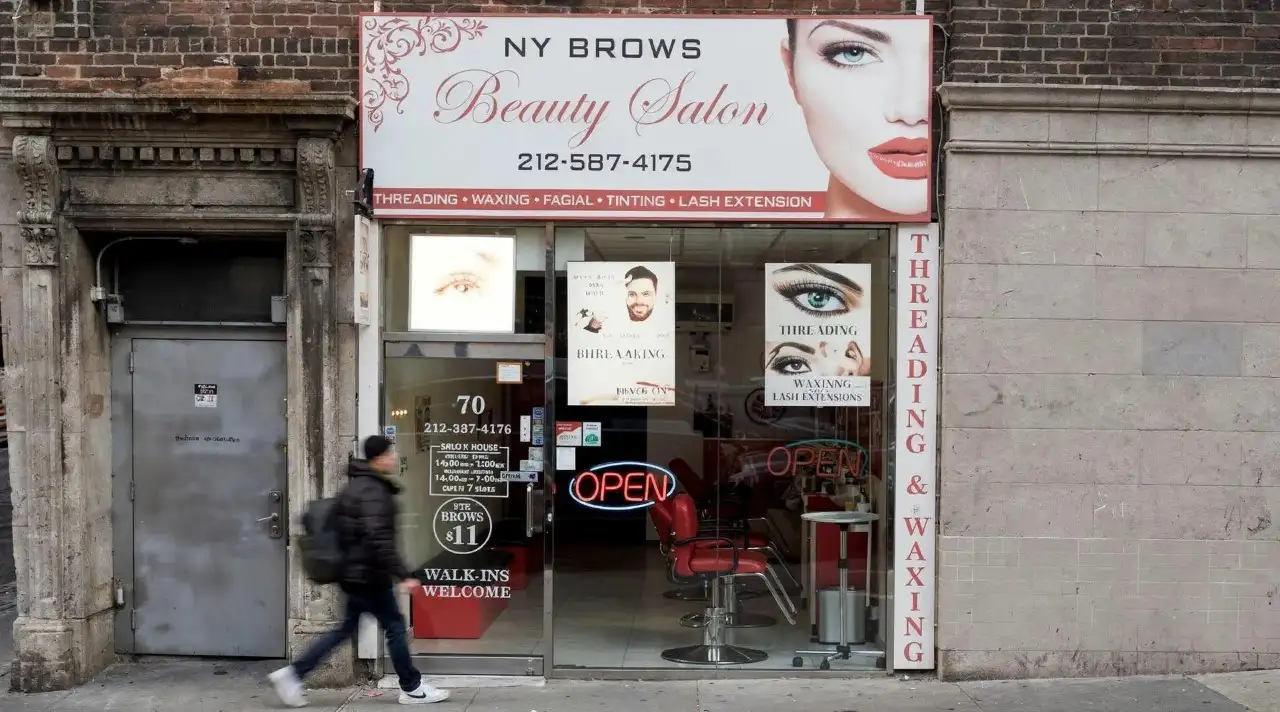
Professional skin care expertise helps clients match the right facial treatments to their specific skin concerns. And choosing without that guidance means risking wasted time, money, and skin health. NY Brows and Beauty Salon has served clients in Lower Manhattan. Beyond for over a decade, building the kind of hands-on knowledge that transforms a routine appointment into a genuinely informed consultation.
Clients who skip professional guidance often select treatments based on trend rather than skin type. That mismatch leads to irritation, uneven results, and the need for corrective follow-up — all avoidable costs.
What Makes a Salon's Service Range Matter for Skin Decisions?
NY Brows and Beauty Salon specializes in threading, waxing, eyelash tinting, lifting, and extension services. That breadth of expertise means specialists understand how different skin responds to different techniques. Critical knowledge when clients are weighing options such as hydra microdermabrasion vs microdermabrasion or evaluating gentler hair-removal alternatives for sensitive skin.
A wider service menu also signals deeper technical fluency. Specialists trained across multiple disciplines recognize contraindications and skin conditions that a single-service provider might overlook.
How Does Tradition Combined With Modern Standards Benefit Clients?
NY Brows and Beauty Salon blends time-tested practices with contemporary beauty standards to deliver a comfortable, professional experience for both men and women. That balance matters when clients are researching newer microdermabrashion-adjacent resurfacing options alongside classic threading and tinting services.
- Open seven days a week
- Conveniently located near Wall Street and Fulton Subway Station
- Serves both men and women across a full range of grooming and skin care needs
Accessibility reinforces expertise — consistent, repeat consultations allow specialists to track skin changes over time and refine recommendations accordingly.
Which Treatment Is the Right Choice for Your Skin?
No single set of facial treatments suits every client's skin concerns. Selecting the wrong procedure risks worsening existing conditions rather than correcting them. Choosing between hydra microdermabrasion vs microdermabrasion — or any comparable resurfacing option. Depends entirely on a client's specific skin type, hydration levels, and treatment goals.
Clients who skip this matching process lose time, money, and skin health on procedures that deliver suboptimal results.
Is Microdermabrasion Right for Dry or Dehydrated Skin?
Clients with dry skin benefit most from hydradermabrasion because the treatment replenishes hydration while simultaneously delivering exfoliation benefits. Traditional microdermabrashion, by contrast, uses a dry exfoliation technique that removes surface skin cells without infusing moisture. A distinction that matters significantly for clients whose skin already lacks adequate hydration.
How Do Clients Choose Between These Two Approaches?
The decision comes down to a straightforward skin-type assessment:
| Skin Concern | Better-Suited Treatment |
|---|---|
| Dry or dehydrated skin | Hydradermabrasion |
| Oily, acne-prone, or scarred skin | Traditional microdermabrasion |
| Sensitive skin needing gentle resurfacing | Hydradermabrasion |
Clients navigating these decisions benefit from consulting trained specialists who understand both the technical differences between procedures. The nuanced needs of individual skin profiles. NY Brows and Beauty Salon's trained specialists hold deep expertise in facial care. Grooming, positioning the salon as a knowledgeable resource for clients in lower Manhattan and the Financial District. Booking a consultation with a qualified specialist remains the most reliable path toward selecting the facial treatment that delivers lasting, visible results.
FAQ
Is hydra microdermabrasion safe for sensitive skin?
Hydra microdermabrasion combines exfoliation with simultaneous serum infusion, making it the gentler, more customizable option suited for sensitive, dry, or dehydrated skin types.
What skin type benefits most from standard microdermabrasion?
Oily and acne-prone skin responds best to standard microdermabrasion due to its deeper pore-clearing, dry mechanical exfoliation action targeting scarring and congestion.
Does hydra microdermabrasion deliver better serum absorption than standard microdermabrasion?
Hydra microdermabrasion infuses serums directly into freshly exfoliated skin, boosting absorption by up to a notable share. Standard microdermabrasion delivers no hydration during the treatment session.