
Blogs
NYC Threading Aftercare: Soothe & Prevent Acne-Prone Skin
Threading is a precise, gentle way to remove unwanted hair — but it can leave your skin extra sensitive,
especially if you’re acne-prone. Good aftercare soothes irritation, lowers the chance of breakouts, and
speeds healing. Below, NYC threading pros share clear, practical tips: what to do right away, how to
prevent trouble, which products we recommend, lifestyle changes that help, and when to see a specialist.
Follow these steps for a calmer, healthier finish.
What should you do right after threading to calm sensitive skin?
Minutes after your servicematter. A few simple, soothing steps can cut redness and discomfort and set the stage for faster recovery.
How does a cold compress help reduce redness and swelling after threading?
A cold compress helps by narrowing blood vessels, which eases blood flow and reduces inflammation. It’s an immediate, no-fuss way to settle heat and swelling — hold a clean, cool cloth to the area for short intervals to feel relief quickly.
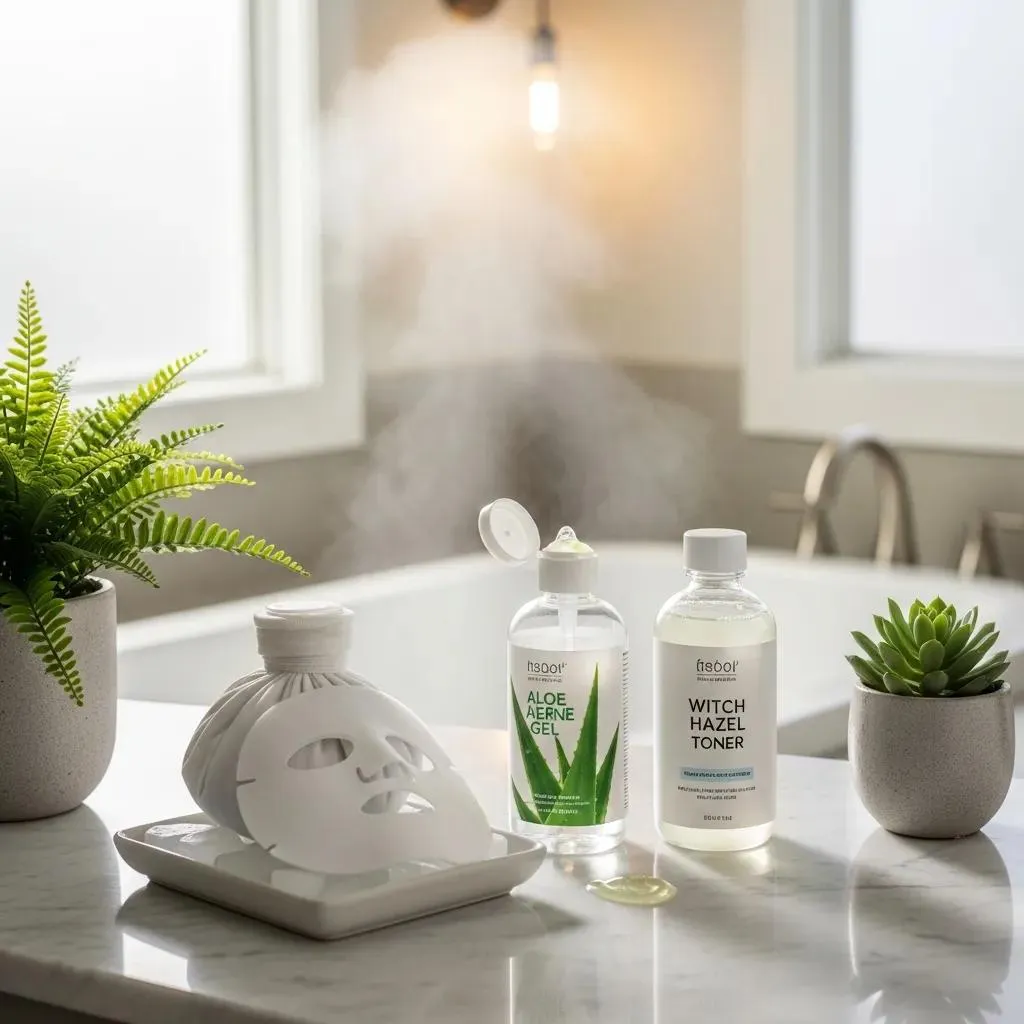
Why choose aloe vera and alcohol-free witch hazel to soothe threaded skin?
Aloe vera hydrates and calms irritated skin with natural anti-inflammatory properties. Alcohol-free witch hazel offers a gentle astringent effect without drying or stinging. Used together (or separately, if your skin prefers), they help lower redness and support gentle recovery after threading.
How to Prevent Breakouts After Threading on Acne-Prone Skin
If your skin is prone to acne, a careful, gentle routine after threadingcan make all the difference in avoiding flare-ups.
Which gentle cleansing habits prevent clogged pores and infections?
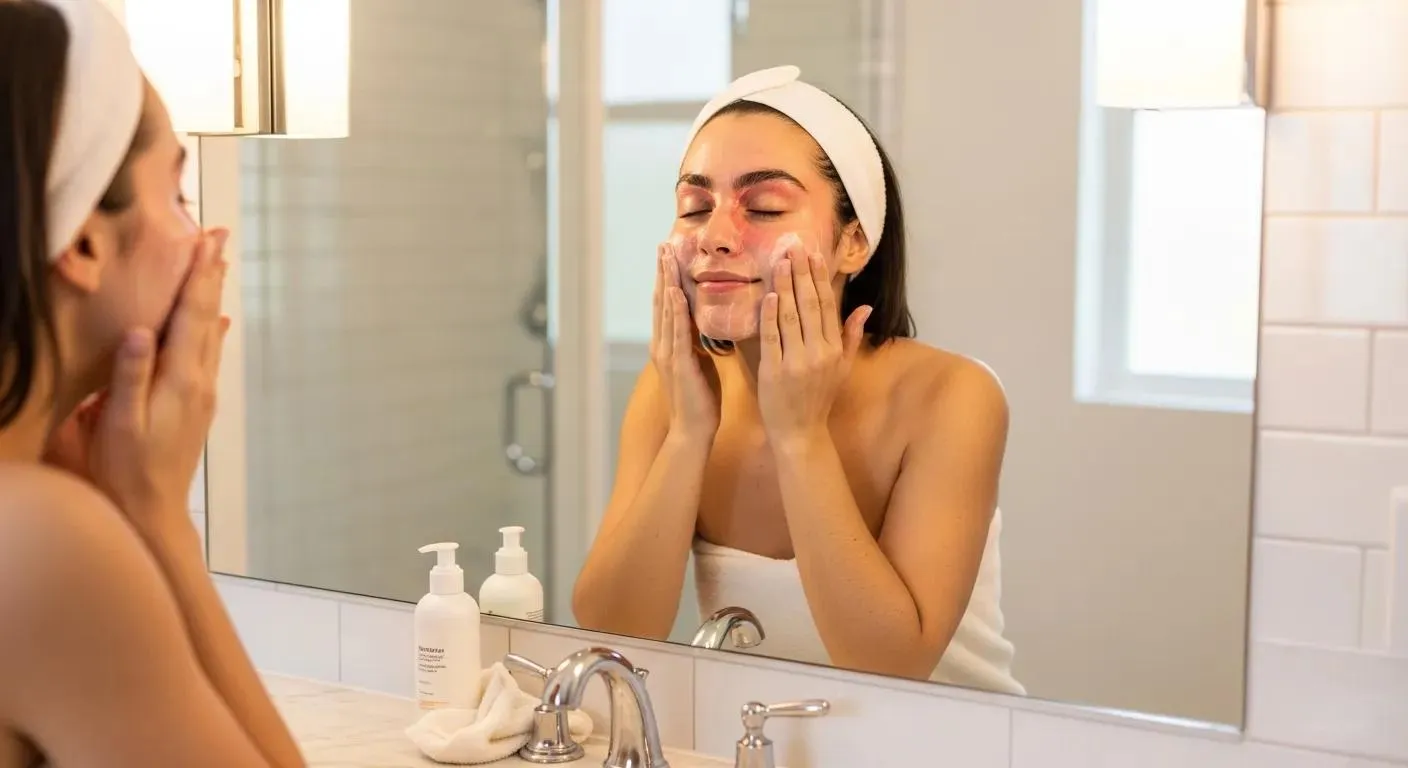
Use a mild, non-comedogenic cleanser and lukewarm water. Cleanse softly twice daily and avoid scrubs or mechanical exfoliation for 24–48 hours after threadingso your skin can recover without added irritation or micro-tears that invite bacteria.
Are ingredients like salicylic acid and tea tree oil safe for post-threading acne control?
Yes — when used carefully. Salicylic acid helps clear pores and reduce breakouts by exfoliating inside the follicle. Tea tree oil has antibacterial and calming qualities. Patch-test any new product and introduce active ingredients slowly, especially on freshly threaded skin, to avoid overstimulating the area.
Best Threading Aftercare Products for Sensitive Skin
Picking products that soothe without clogging pores is key. Look for gentle, proven ingredients and avoid heavy, fragranced formulas right after threading.
Which gels, serums, and non-comedogenic moisturizers help skin heal?
Choose calming gels and serums with aloe, chamomile, or calendula for immediate relief. Follow with a lightweight, non-comedogenic moisturizer containing humectants like hyaluronic acid or glycerin to restore hydration without blocking pores. Brands focused on sensitive skinoften have good starter options.
| Product Type | Key Ingredients | Benefits |
|---|---|---|
| Soothing Gel | Aloe Vera, Chamomile | Instant calm for redness and irritation |
| Non-Comedogenic Moisturizer | Hyaluronic Acid, Glycerin | Light hydration that won’t clog pores |
| Calming Serum | Calendula, Green Tea | Supports healing and reduces sensitivity |
Why use mineral sunscreen to protect threaded skin from sun damage?
Mineral sunscreens (zinc oxide or titanium dioxide) sit on the skin and physically block UV rays, reducing the risk of irritation and post-inflammatory pigmentation. Choose a broad-spectrum mineral SPF 30 or higher and reapply before extended sun exposure — especially in the first days after threading.
What lifestyle tweaks help your skin recover after threading?
Small changes for 24–48 hours can reduce irritation and speed healing. Think of it as giving your skin a short, quiet break.
Why avoid makeup, touching your face, and sun for 24 hours after threading?
Freshly threaded skin is more vulnerable to bacteria, friction, and pigment changes. Makeup can trap oil
and irritants; touching transfers germs; sun can darken inflamed spots. Let your skin breathe for at
least a day to lower those risks.

How do heat, steam, and sauna affect sensitive skin after threading?
Heat increases blood flow and can prolong redness or swelling. Skip hot showers, steam rooms, saunas, and intense workouts for 24–48 hours — cooler, gentler routines are kinder to healing skin.
When to Seek Help for Threading Complications
Knowing when to get expert care helps prevent small issues from becoming bigger problems.
What signs of infection or ongoing irritation mean you should see a dermatologist?
Look for worsening redness, spreading swelling, warmth, worsening pain, pus, or fever. If irritation doesn’t improve after a couple of days or gets worse despite home care, contact a dermatologistfor assessment and treatment.
How can NYC experts help with severe reactions or breakouts after threading?
Local threading and skincare pros can offer targeted solutions: calming facials, professional spot treatments, or skincare product recommendations tailored to your skin type. If a reaction is severe, they’ll refer you to a dermatologist for medical care.
Frequently Asked Questions
What should I avoid applying to my skin immediately after threading?
Avoid makeup, heavy creams, and products with alcohol or strong fragrances for at least 24 hours. These can irritate or trap bacteria on freshly threaded skin. Stick to simple, soothing options like aloe or an alcohol-free witch hazel, and let your skin rest.
How long does it typically take for skin to heal after threading?
Most people see redness and swelling improve within 24–48 hours. If your skin is especially sensitive or acne-prone, recovery can take a bit longer. Consistent, gentle aftercare helps speed things up and reduce complications.
Can I continue my regular skincare routine after threading?
Wait 24–48 hours before resuming strong treatments like exfoliants, retinoids, or chemical peels. Until then, use mild cleansers, gentle moisturizers, and soothing products. Once your skin calms, reintroduce active products slowly and watch for any irritation.
Is it safe to exercise after threading?
Avoid strenuous exercise for about 24 hours. Sweating and raised body temperature can aggravate redness and swelling. If you want to move, choose light activity that won’t make you sweat heavily.
What should I do if I experience an allergic reaction after threading?
If you suspect an allergic reaction — intense itching, spreading redness, or swelling — stop new products immediately and apply a cold compress. If symptoms persist or worsen, seek care from a contact usor medical professional right away.
Are there any specific foods that can help with skin recovery after threading?
Anti-inflammatory, nutrient-rich foods support healing: berries, leafy greens, nuts, and fatty fish with omega-3s. Staying well-hydrated also helps skin recover and maintain elasticity during the healing window.
Conclusion
Good aftercare makes threading kinder to sensitive and acne-prone skin. Use gentle soothing steps right after your appointment, choose non-comedogenic, calming products, and give your skin a brief break from heat, heavy makeup, and strong actives. If anything unusual appears, get professional advice. Ready for calmer skin? Try these NYC-tested tipsand protect your glow after threading.